
He’s Paying the Price. Why isn’t Big Oil?
A Minnesota Farmer’s Case for the Climate Superfund
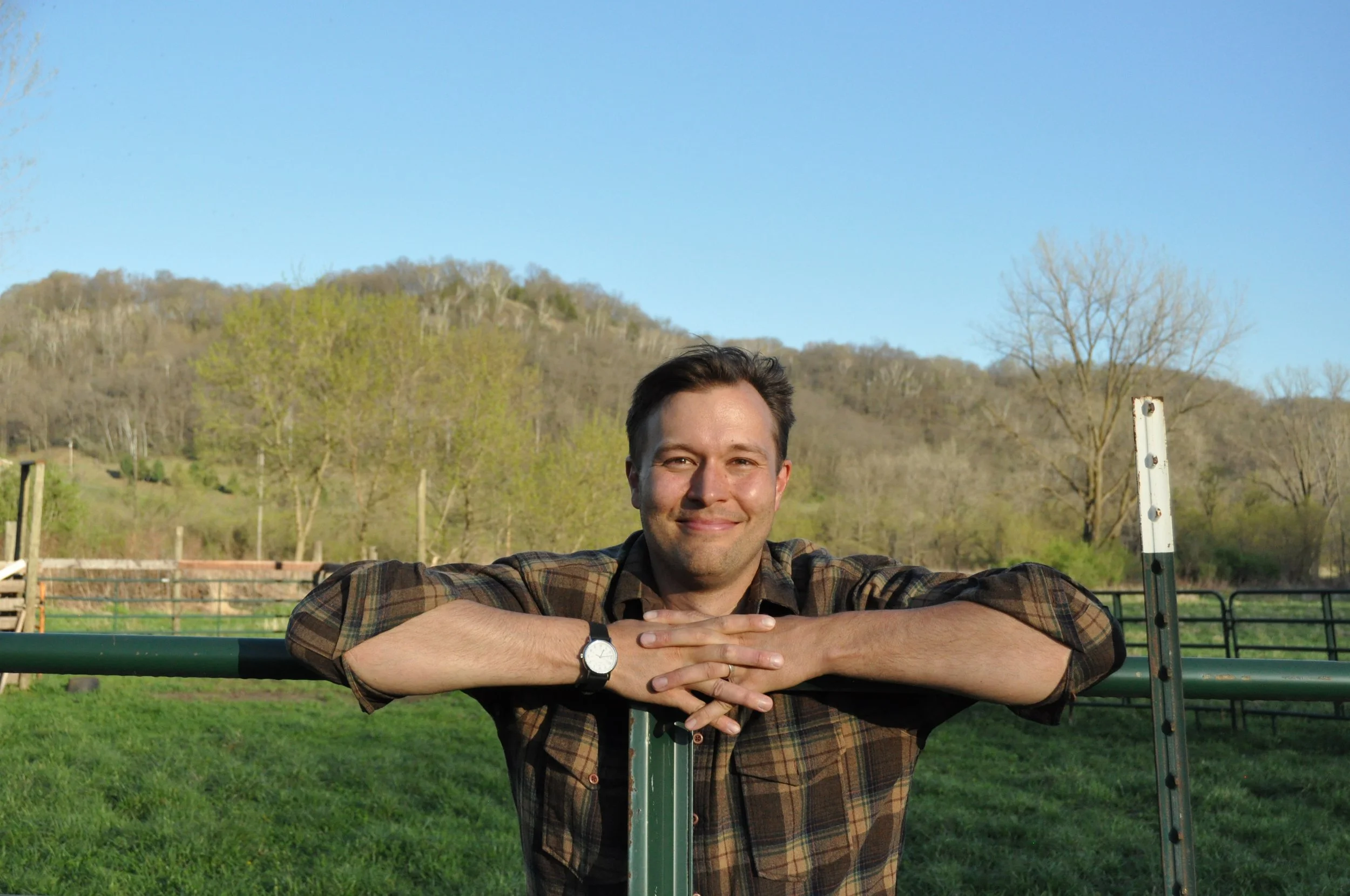
Farmer Dan Wilson
On a stretch of land in Winona County, where the seasons have always set the rhythm of work, Dan Wilson has spent the better part of a decade learning how to listen to the land.
A part-time cattle farmer, volunteer firefighter, and devoted community member, Wilson has been utilizing rotational grazing as a sustainable farming practice since 2017. And over the last nine years, he’s witnessed the ramifications of the climate crisis on his livelihood and the land he stewards.
A rapidly changing climate makes an already demanding occupation more challenging. Farmers, Wilson says, are on the front lines of the climate crisis.
Rural farms are directly impacted by increasing erratic weather patterns. Rising temperatures and unseasonal droughts lead to frequent wildfires and extreme flooding. The health of residents, crops, and wildlife is all negatively impacted. Dan thinks economic health and environmental health are intrinsically linked. When the environment suffers, so do families. “As someone who lives rurally, it’s hard to pinpoint all of the costs we have endured.”
The added economic stress of cattle farming now includes trying to accommodate extreme weather and additional repair and maintenance of machinery. Financial success in cattle farming is directly related to cattle health. “Every day cows are not gaining weight, you’re losing money.” Heat stress in the increasingly hot Minnesota summers has led to the loss of cattle in recent years.
Like many Minnesota farmers, Dan has been unable to change his home insurance provider and is being denied certain coverage. “We are now locked into whatever insurance rates our current provider sees fit to charge.” Now, more time and money are spent fixing hail damage and gravel roads that have been washed out by severe storms.
The toll is not merely financial. It is physical, domestic, and intimate. His health and safety, and that of his family, are also on the line. Wildfire smoke and consequential unsafe air quality prevent him from working outside. His children have to play indoors when the levels are too high.
Milder winters have also redrawn the map of tick-borne disease. Dan, his family, and neighbors are more susceptible to Lyme disease and alpha-gal syndrome, a potentially life-threatening allergic reaction to red meat and dairy products carried by the Lone Star Tick, which previously could not survive in the state of Minnesota.
The burden of the climate crisis continues to fall disproportionately on rural residents, farmers, and their families, while large corporations continue to profit from practices that have contributed to it. Large corporations and Oil and gas companies have been the worst offenders when it comes to pollution, yet they have yet to take responsibility for the harm they have caused.
“The most profitable companies in the world have benefited in part because they haven’t had to pay for the consequences of their actions.” Corporations' bottom line shouldn’t come at the expense of Minnesota residents—fossil fuel companies should be liable for what they have done.
That imbalance is at the heart of Minnesota’s proposed Climate Superfund legislation, which would require major fossil fuel companies to help cover the costs of climate damages borne by the public. The premise is simple enough to fit on a bumper sticker: when you make a mess, you clean it up. But for farmers like Willson, the stakes are practical. Relief from rising costs. Repairs made possible. Some measure of fairness restored.
Dan believes accountability from big oil has to include financial consequences like those outlined in the Superfund: “Compensation is a mechanism to force them to internalize the true cost of their operations and repair the damage they have caused.”
Minnesotans like Willson are already paying the bill for the climate crisis.
The question before lawmakers is whether the companies that helped create the damage ever will.
